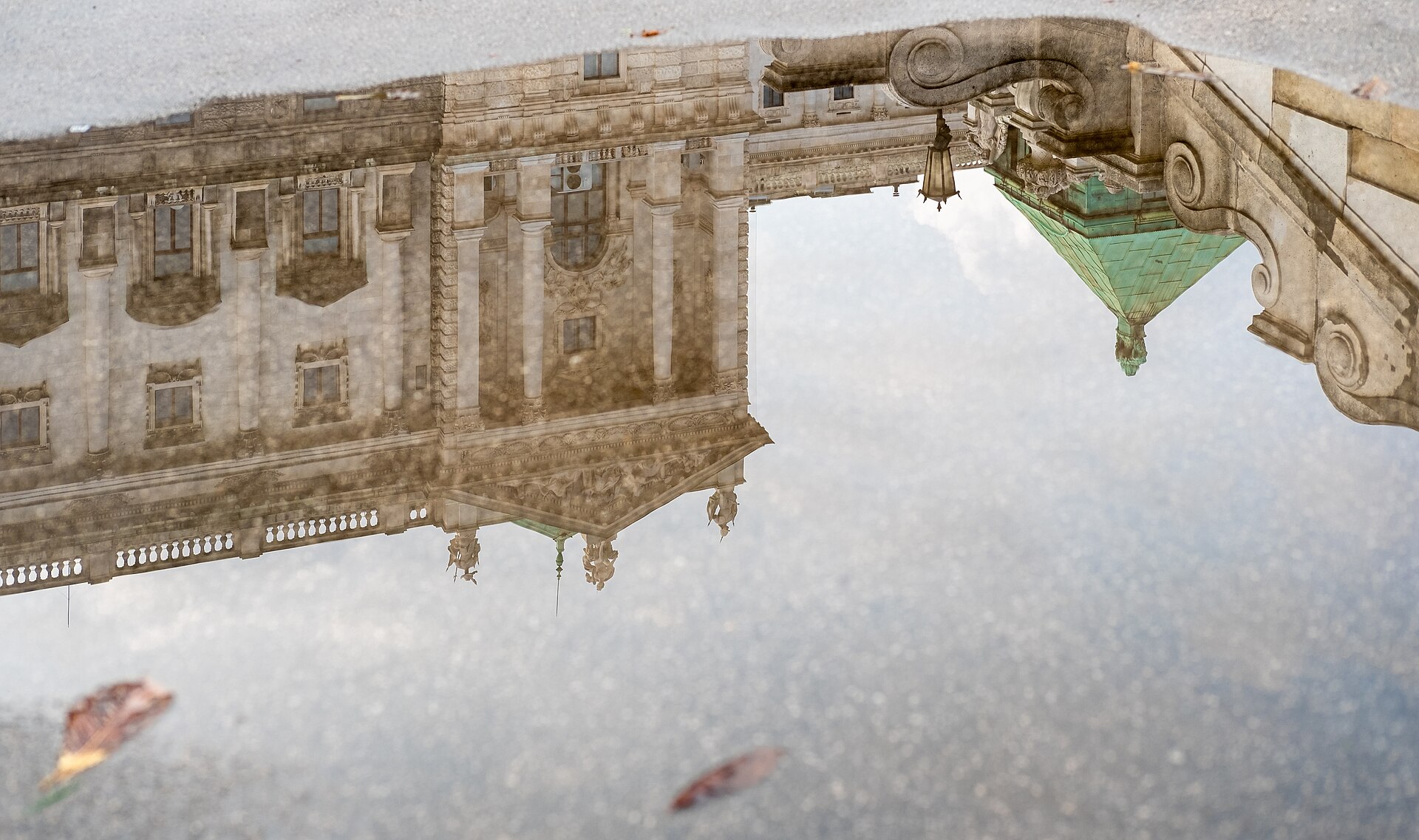
 AustriaPalace
Schönbrunn Palace
Schönbrunn Palace is an iconic visitor attraction in Vienna, Austria.
Jules Verne Times Two · CC BY-SA 4.0
The history of this place reaches back to the Middle Ages, when the estate was known as Katterburg and included a mill, farmland, vineyards and a garden. It entered Habsburg possession in 1569 under Emperor Maximilian II and gradually acquired the character of a hunting and pleasure estate. After Vienna and the buildings on the site were devastated during the siege of 1683, Emperor Leopold I commissioned the architect Johann Bernhard Fischer von Erlach to design an imperial hunting lodge. Fischer von Erlach had trained in Rome, and his first ambitious plans were later transformed into a much larger residence. During the reign of Maria Theresa, under the direction of architect Nicolaus Pacassi, the site was rebuilt and extended into an imperial summer palace. From the middle of the eighteenth century, Schönbrunn became a centre of court and political life whenever the imperial family and its household occupied the residence.
Inside, the palace contains state rooms, ceremonial halls and private apartments restored to represent their historical appearance. The Great Gallery is one of the most important Rococo interiors in the complex. Its vaulted ceiling, frescoes, stucco decoration, mirrors and paintings create a continuous ceremonial space with the adjoining Small Gallery. Look closely at the rhythm of the wall decoration and the way reflective surfaces expand the room; these effects helped communicate imperial wealth, order and authority. The rooms associated with Maria Theresa preserve the taste of the eighteenth-century court, while the apartments of Emperor Franz Joseph and Empress Elisabeth, known as Sisi, reveal later changes in domestic life and imperial style. Walnut panelling, furniture, wall coverings, paintings and decorative details allow the contrast between public representation and private routine to be read within the rooms themselves. The palace also contains a theatre commissioned by Maria Theresa and ceremonially opened in 1747, where members of her family appeared during their youth.
Outside, the Great Parterre continues the palace interiors in the form of straight avenues, clipped planting, fountains and statues drawn from classical mythology. The Neptune Fountain stands at the foot of the main slope and directs the view toward the Gloriette, the colonnaded structure on the hilltop at the end of the principal axis. The Roman Ruin, Obelisk Fountain and long tree-lined avenues belong to the formal language of the eighteenth-century park. The Orangery, measuring 186 metres in length, and the Great Palm House, with its iron frame and three sections, show the court’s interest in exotic plants and advanced horticultural architecture. As you look across the grounds, follow the connection between the façade, central axis, statues, water features and elevated buildings. That carefully balanced relationship is what makes Schönbrunn a complete historical landscape rather than a palace standing apart from its setting.